Life Orientation Grade 10 | Self awareness and self esteem
Introduction
Life Orientation Grade 10, Self-awareness, self-esteem and Self-development.
Personal development is a continuous process that involves understanding yourself, valuing your abilities, and taking purposeful steps to grow and improve. In this topic we going to look at the three essential concepts: self-awareness, self-esteem, and self-development. We shall also explore the factors influencing these aspects and provides strategies to build confidence in yourself and others.
What is Self-Awareness?
Self-awareness can be defined as the ability to recognize and understand your own emotions, thoughts, behaviors, and how they align with your personal goals, values, and beliefs. This includes having a deep understanding of your likes, dislikes, strengths, weaknesses, interests, and overall identity. It forms the foundation for making informed decisions, improving personal growth, and fostering meaningful relationships.
For example, someone who enjoys creative activities such as drawing or painting may pursue a career in the arts, while another person who excels in problem-solving may lean toward professions in science or technology. Similarly, understanding what you dislike helps avoid unnecessary stress or dissatisfaction, such as recognizing that public speaking is a challenge and finding manageable ways to improve it.
The Importance of Strengths and Weaknesses:
Acknowledging your strengths allows you to build confidence and excel in areas where you naturally thrive, while identifying weaknesses provides opportunities for improvement. For instance, if teamwork is a strength, you might take leadership roles in group projects, whereas if time management is a weakness, adopting scheduling tools can help you stay organized.
Values and Goals:
Self-awareness extends to aligning your actions with your values and beliefs. When you clearly define what you stand for, it becomes easier to set realistic short-term and long-term goals. A person who values honesty, for example, will likely prioritize transparency in their decisions and relationships. Goal setting provides direction, motivation, and a sense of purpose in daily life.
Self-awareness is crucial for personal growth and emotional intelligence. Without it, individuals may struggle to identify areas requiring improvement or fail to make decisions aligned with their true selves. It is a skill that must be cultivated through reflection, mindfulness, and feedback from others.
What is self-esteem?
Self-esteem refers to how much you value and respect yourself. It is your internal sense of self-worth and confidence in your abilities. High self-esteem contributes to positive relationships, resilience, and the ability to face challenges, while low self-esteem can lead to insecurity, self-doubt, and a lack of motivation.
People with high self-esteem believe in their intrinsic value, which is not dependent on external validation. For instance, they feel deserving of kindness and respect even during moments of failure or difficulty. This self-assurance empowers them to face challenges head-on and take risks to achieve their goals.
The influence of Body Image and Self-Talk on self esteem
A person’s view of their physical appearance, or body image, can significantly impact their self-esteem. Accepting and celebrating one’s unique features fosters confidence, while negative self-talk—like focusing on flaws—can diminish it. Positive affirmations, such as saying, “I am capable of growth, ” can shift perspectives and promote a healthier self-view.
Influence on self-esteem on Relationships and Behavior:
People with strong self-esteem are more likely to set healthy boundaries and assert their needs in relationships. They are also less likely to rely on others for validation, reducing the fear of rejection. Conversely, low self-esteem may lead to dependency or a reluctance to voice opinions, which can hinder personal and relational growth.
Cultivating self-esteem requires internal reflection and the development of positive habits. While external support—like encouragement from family and friends—can boost self-esteem, relying solely on external validation may create instability. A balance of internal confidence and external affirmation is key to building lasting self-worth
Self-Development
What is Self-Development?
Self-development is the process of improving yourself by building on your strengths, addressing weaknesses, and developing life skills. It is a deliberate and ongoing journey aimed at becoming the best version of yourself.
Self-development involves
1, Focusing on Strengths:
Strengths are areas where you naturally excel. By focusing on these areas, you can build expertise and achieve success. For instance, a person who excels in writing can refine their skills through practice and advanced training, leading to career opportunities in journalism or creative writing.
2, Addressing Weaknesses:
Improving areas of weakness is equally important in self-development. Recognizing and addressing challenges, such as poor time management or difficulty with public speaking, allows for growth and prevents these weaknesses from becoming barriers to success.
3, Developing Life Skills:
Life skills, such as communication, problem-solving, and critical thinking, are essential for navigating daily challenges and opportunities. For example, practicing conflict resolution skills can help manage disagreements constructively, improving relationships at work or home.
4, Setting and Achieving Goals:
Effective self-development involves setting realistic and actionable goals. Breaking down large objectives into smaller, manageable steps increases motivation and ensures progress. For example, a student aiming to excel in mathematics might set short-term goals to master specific topics, ultimately achieving higher grades.
5, Adopting a Growth Mindset:
A growth mindset involves believing in your ability to learn and improve. Viewing challenges as opportunities for growth fosters resilience and perseverance. For instance, rather than seeing failure as a setback, individuals with a growth mindset see it as a chance to refine their approach and try again.
Self-development is not a one-time event but a lifelong commitment. It requires determination, resources, and a willingness to embrace change. While personal drive is critical, external influences like mentors, training programs, and feedback from peers play a vital role in facilitating growth.
The Interconnectedness between Self-Awareness, Self-Esteem, and Self-Development
These three elements are deeply interrelated and mutually reinforcing. Self-awareness helps you understand where you stand regarding strengths, weaknesses, and values. Self-esteem gives you the confidence to act on that understanding. Finally, self-development translates self-awareness and self-esteem into action, leading to tangible improvements in your life.
For example, a student who recognizes they are struggling with public speaking (self-awareness) might build the confidence (self-esteem) to join a debate club and actively work on this skill (self-development).
Why is Self-Awareness Important?
Self-awareness is essential for personal growth and success. It allows you to make informed choices by aligning your actions with your strengths, values, and goals. For example, knowing that you are good at math and enjoy problem-solving can guide you toward a career in engineering or finance.
Improved self-awareness also enhances relationships, as it helps you understand your emotions and communicate effectively with others. Additionally, identifying areas for growth, such as time management or public speaking, enables you to work on improving these skills, building confidence and resilience.
Ultimately, self-awareness strengthens self-esteem by helping you recognize your unique qualities and achievements, empowering you to face challenges with confidence.
Illustration of Self-Awareness in Action
Consider Thabo, a Grade 10 student. Thabo enjoys playing soccer, showing an interest in sports and teamwork. He has strong leadership skills but struggles with public speaking. He values honesty and believes in hard work. By understanding himself, Thabo sets a goal to improve his public speaking by joining the debate team. This decision aligns with his strengths and values, allowing him to grow personally and build confidence in a new area.
Self-awareness is a cornerstone of personal development. By understanding your interests, skills, strengths, weaknesses, likes, dislikes, goals, and values, you can make decisions that reflect who you are and what you want to achieve. This enables you to grow, build stronger relationships, and excel in both academics and life.
Factors Influencing Self-Awareness and Self-Esteem
Feedback from Others
What others say about you significantly influences how you perceive yourself. Positive feedback, like a teacher praising your hard work, boosts your confidence and motivates you to perform better. Conversely, negative remarks, especially if harsh or unfair, can harm your self-esteem and make you doubt your abilities. It’s important to learn how to process feedback constructively, focusing on areas of improvement without letting criticism define your self-worth.
Life Experiences
Your experiences, both positive and negative, play a crucial role in shaping self-awareness and self-esteem. Achievements, such as excelling in a competition, reinforce your confidence and encourage you to aim higher. Failures, although challenging, provide valuable lessons and opportunities for growth. For instance, a student who struggles with a subject but seeks help and eventually improves learns resilience and builds self-esteem through effort and perseverance.
Coping with Challenges
How you handle difficulties impacts how you view yourself. Successfully overcoming challenges, like managing exam stress or resolving conflicts with friends, strengthens your self-esteem and resilience. On the other hand, avoiding challenges or giving up easily may lead to feelings of inadequacy. Developing coping strategies, such as setting realistic goals or seeking support when needed, helps build confidence and a positive self-image.
Responding to Success and Failure
Your reaction to successes and failures shapes your self-esteem. Celebrating your achievements, no matter how small, reinforces confidence and motivates continued effort. For example, acknowledging the effort you put into studying for a test, regardless of the result, helps you stay positive. Similarly, viewing failures as opportunities to learn and improve, rather than as personal shortcomings, fosters a growth mindset and resilience.
Social Acceptance
Feeling accepted and valued by peers enhances your self-esteem, while feelings of isolation can diminish it. Being part of a supportive group, like a sports team or a study group, provides a sense of belonging and reinforces your self-worth. It’s important to build meaningful connections with people who encourage and uplift you.
Media Influence
The media, particularly social media, has a profound impact on self-perception. Positive influences, such as motivational stories or inspiring achievements, can boost confidence and encourage self-improvement. However, comparing yourself to idealized or unrealistic images often portrayed online can lead to feelings of inadequacy and lower self-esteem. For instance, a teenager who constantly compares their appearance or lifestyle to influencers might feel they are not good enough, even though these portrayals are often edited or exaggerated. Being mindful of how media affects you and focusing on your unique qualities helps maintain a healthy self-image.
Key Factors Influencing Self-Awareness and Self-Esteem
Feedback from Others
What others say about you, particularly friends, family, and teachers, significantly impacts your self-esteem. Positive feedback reinforces your confidence and motivates you to perform better, while negative or harsh comments can harm your self-worth. For example, a teacher praising your improvement in a subject boosts your morale and encourages you to work harder. However, constant criticism from peers without constructive suggestions might make you doubt your abilities. Learning to process feedback constructively by focusing on areas of growth is essential for maintaining a healthy self-image.
Media Influence
The media, including social media, advertisements, and television, plays a significant role in shaping self-awareness and self-esteem. Comparing yourself to unrealistic portrayals online can lead to feelings of inadequacy. For instance, edited images of celebrities or influencers on social media often promote unattainable beauty standards, making individuals feel less confident about their appearance. On the positive side, media can also inspire and educate. Following motivational accounts or watching educational content can encourage self-improvement. It’s important to consume media critically, focusing on content that promotes positivity and authenticity.
Life Events
Successes and failures in life directly influence your confidence and self-esteem. Achieving goals, such as performing well in exams or excelling in sports, boosts self-esteem and motivates you to aim higher. On the other hand, setbacks, such as not making a sports team or failing a test, can challenge your confidence. However, failures also present opportunities for growth. For example, a learner who doesn’t pass a test but seeks help and improves their study habits learns resilience and builds confidence over time.
Coping Mechanisms
How you deal with challenges significantly impacts how you view yourself. Effective coping mechanisms, such as seeking support, breaking tasks into manageable steps, or maintaining a positive attitude, help you navigate difficulties and reinforce self-confidence. For example, preparing for an exam by creating a study plan and asking for guidance shows proactive problem-solving, which boosts self-esteem. Conversely, avoiding challenges or giving up too soon may lead to feelings of inadequacy.
Strategies to Build Confidence in Yourself and Others
Confidence is a vital quality for personal success and fostering positive relationships. It can be cultivated through deliberate actions and habits that empower both yourself and those around you. Below are effective strategies for building confidence:
1,Develop Communication Skills
Effective communication is a cornerstone of confidence. It involves expressing your thoughts clearly and actively listening to others, which fosters understanding and builds trust.
- Speak Clearly and Confidently: Articulate your thoughts with a steady tone and maintain eye contact to convey self-assurance. For example, answering questions in class or sharing ideas in group discussions demonstrates confidence.
- Practice Active Listening: Show respect by giving others your full attention, avoiding interruptions, and using affirming gestures like nodding.
- Use Positive Body Language: Your posture, gestures, and facial expressions complement your words, enhancing the impact of your communication.
2,Adopt an Assertive Attitude
Assertiveness is the ability to express your thoughts, needs, and boundaries in a respectful yet firm manner.
- Stand Your Ground: Say “no” to unreasonable requests or peer pressure while maintaining politeness. For example, declining an invitation if it conflicts with your priorities shows confidence and self-respect.
- Be Clear and Respectful: State your goals or viewpoints openly without hesitation, fostering mutual understanding.
- Maintain Positivity: Approach disagreements constructively, ensuring your assertiveness doesn’t come across as aggression.
3,Maintain a Strong Posture
Body language plays a crucial role in projecting confidence.
- Stand Tall: Keep your shoulders back and chin up to exude self-assurance.
- Use Eye Contact: Engaging eye contact conveys trustworthiness and attentiveness.
- Control Your Voice: A steady, clear tone during presentations or conversations reflects preparation and capability, even in nervous moments.
4,Complete Tasks Successfully
Accomplishing tasks effectively provides a sense of achievement and boosts self-worth.
- Plan and Manage Your Time: Break tasks into smaller, manageable steps and use planners to track progress.
- Stay Consistent: Following through on commitments, such as sticking to a study schedule, builds confidence in your reliability and abilities.
- Celebrate Milestones: Acknowledge completed goals, no matter how small, to reinforce your self-belief.
5,Participate in Community Activities
Engaging in community organizations or volunteering fosters leadership, teamwork, and social connections, all of which enhance confidence.
- Take Initiative: Organize events or take on responsibilities that showcase your abilities, such as leading a charity drive.
- Learn from Experiences: Community activities teach problem-solving and empathy, helping you grow personally and socially.
- Build Relationships: Working with diverse individuals broadens your perspective and nurtures mutual respect.
6,Make Informed Decisions
Good decision-making boosts confidence by reinforcing trust in your judgment and ability to handle challenges.
- Evaluate Situations: Understand the context and requirements of a decision before acting.
- Research Options: Gather information about alternatives to make informed choices.
- Weigh Consequences: Consider the potential outcomes of your decisions. For example, prioritizing study time over leisure shows a commitment to your goals.
- Act with Commitment: Once you make a decision, implement it with confidence and monitor its outcomes.
| In Summary |
Self-Awareness
Definition:
Self-awareness is the ability to understand and recognize your own emotions, thoughts, behaviors, and how they align with your goals, values, and beliefs. It also involves being mindful of your strengths, weaknesses, interests, and dislikes.
Key Aspects of self-awareness
- Interests: Knowing what you enjoy, such as hobbies, activities, or fields of study, helps guide career choices and leisure activities.
Example: If you enjoy drawing, you may explore careers in design or art. - Skills: Recognizing what you are good at and where you excel is essential for personal and professional growth.
Example: Strong communication skills might make you an effective leader. - Strengths and Weaknesses: Acknowledging areas where you excel (strengths) and where improvement is needed (weaknesses) promotes growth.
Example: Being strong in teamwork but weak in time management can guide you to work on better scheduling techniques. - Likes and Dislikes: Understanding your preferences helps you make informed decisions.
Example: If you dislike public speaking, you might focus on improving your communication in smaller groups. - Goals: Setting short-term and long-term goals gives you direction.
Example: A short-term goal could be improving grades, while a long-term goal might be pursuing a specific career. - Values and Beliefs: These shape your decision-making and behavior. Aligning with your values ensures you live authentically.
Example: If you value honesty, you’ll avoid situations where you must compromise your integrity.
Self-Esteem
Definition:
Self-esteem refers to how much you value yourself and your confidence in your abilities. It reflects your self-worth and influences how you approach challenges and relationships.
Key Aspects of self esteem
- Self-Worth: Recognizing your intrinsic value regardless of external achievements.
Example: Believing you deserve respect and kindness even when you make mistakes. - Confidence: Trusting in your abilities to handle situations effectively.
Example: Feeling confident when presenting a project because you prepared thoroughly. - Body Image: How you view your physical appearance can impact your overall self-esteem.
Example: Accepting and celebrating your body’s uniqueness improves confidence. - Positive vs. Negative Self-Talk: Positive affirmations build self-esteem, while negative self-talk can diminish it.
Example: Saying, “I can improve with practice,” is more empowering than, “I’ll never get this right.”
How Self-Esteem Influences Behavior:
- High self-esteem leads to assertiveness, better decision-making, and resilience against criticism.
- Low self-esteem can result in self-doubt, fear of failure, and vulnerability to peer pressure.
Self-Development
Definition:
Self-development is the process of enhancing your abilities, improving your weaknesses, and becoming the best version of yourself through deliberate actions.
Key Aspects of self-development
- Building Strengths: Focusing on what you are good at to excel further.
Example: Taking advanced courses in mathematics if it’s your strong suit. - Improving Weaknesses: Addressing areas where you struggle.
Example: Enrolling in a time management workshop to improve productivity. - Life Skills Development: Developing practical skills like communication, critical thinking, and problem-solving enhances your ability to navigate life effectively.
Example: Practicing conflict resolution helps you manage disagreements constructively. - Setting Realistic Goals: Achieving incremental milestones boosts confidence and motivation.
Example: Breaking a fitness goal into smaller targets like exercising three times a week. - Adopting a Growth Mindset: Believing that you can improve through effort and learning fosters resilience and perseverance.
Example: Viewing failures as opportunities for learning rather than as setbacks.
The Interconnection of Self-Awareness, Self-Esteem, and Self-Development
These three concepts are deeply interconnected:
- Self-awareness helps you understand where you stand in terms of strengths and weaknesses.
- Self-esteem influences your confidence to act on this understanding.
- Self-development turns awareness and confidence into action by setting goals and striving for improvement.
Example: A student aware of their weak communication skills (self-awareness) might build confidence (self-esteem) to join a debate club and work on this skill (self-development).
QUESTIONS AND ANSWERS
| Study the text below and answer the questions that follow: WHAT WE GET WRONG ABOUT SELF-ESTEEM: IT’S BUILT THROUGH ACTIONS, NOT WORDS. There’s an entire wellness industry dedicated to improving self-esteem, but it often gets things wrong. Standing in front of a mirror and saying “I’m awesome” probably isn’t going to make you feel better about yourself, because self-esteem can be explicit or implicit, and how you consciously think about yourself might not align with how you unconsciously feel about yourself. People want quick fixes, but unfortunately, building healthy, realistic, and stable self-esteem isn’t that simple. Self-esteem is often described as high or low: either we like ourselves and are confident in our abilities or we don’t. Level of self-esteem is an important measure. Low self-esteem has been linked with depression and eating disorders and high self-esteem has been linked with defensiveness, aggression, and narcissism. Simon Sherry: WHAT WE GET WRONG ABOUT SELF-ESTEEM: IT’S BUILT THROUGH ACTIONS, NOT WORDS: Adapted from https:// theconversation.com |
Question: What is the difference between self-esteem, self-awareness, and self-development?
Self-esteem, self-awareness, and self-development are essential concepts in understanding personal growth. Each plays a distinct role in shaping how individuals view and improve themselves.
Self-esteem refers to how we value and view ourselves. It encompasses our overall self-worth and reflects the positive or negative feelings we hold about ourselves. This concept highlights our confidence in our abilities and the degree of appreciation we have for our unique attributes.
Self-awareness involves deeply knowing oneself, including recognizing strengths, weaknesses, emotions, and motivations. This ability allows individuals to identify patterns in their behavior and understand what drives their actions. It encourages introspection and helps in making informed choices.
Self-development is a continuous process aimed at improving oneself. It includes enhancing skills, acquiring knowledge, and building character in various aspects of life. Through self-development, individuals actively work toward achieving their full potential and personal growth.
Question: List examples of self-esteem, self-awareness, and self-development in everyday life.
The application of self-esteem, self-awareness, and self-development can be observed in daily activities. These examples demonstrate how individuals practice these concepts to enhance their lives.
Self-esteem examples:
Engaging in positive self-talk is a practical way to boost self-esteem. For instance, reminding oneself of personal strengths during challenging times fosters confidence. Additionally, accepting compliments graciously and setting boundaries with others reflect a healthy sense of self-worth.
Self-awareness examples:
Practicing mindfulness helps individuals observe their thoughts and emotions without judgment, enhancing self-awareness. Similarly, receiving feedback from peers or mentors provides an opportunity to identify areas of improvement, fostering self-reflection and growth.
Self-development examples:
Learning a new skill, such as taking up a hobby or professional course, reflects self-development as it enhances competence and knowledge. Additionally, engaging in physical fitness activities contributes to improved mental and physical health, supporting overall personal growth.
Discuss the impact of the media on a person’s self-awareness and self-esteem.
The media plays a crucial role in shaping how individuals perceive themselves and their worth, influencing both their self-awareness and self-esteem. Its impact can be profound, leading to positive and negative outcomes depending on how individuals interact with and internalize the messages conveyed through various media forms. This impact is often shaped by the portrayal of beauty standards, social comparisons, and the pressure to conform to idealized images, among other factors.
Idealized Beauty Standards: One of the most significant impacts the media has on self-awareness and self-esteem is through the portrayal of idealized beauty standards. Media platforms, from social media to magazines and advertisements, often present an unattainable image of beauty that emphasizes slimness, youth, and flawless skin. As a result, individuals may begin to critically reflect on their own appearance, comparing themselves to these often digitally altered and unrealistic images. This self-reflection can lead to a heightened awareness of perceived physical flaws, which, over time, can negatively affect one’s self-esteem. Individuals may feel inadequate or unworthy because their appearance does not match these idealized standards, leading to feelings of insecurity and lowered self-worth.
Social Comparison: Social comparison is another critical way the media influences self-awareness and self-esteem. Individuals tend to assess their own lives, achievements, relationships, and lifestyles against those they see portrayed in media, whether through celebrities, influencers, or peers on social media platforms. These comparisons often lead to feelings of inadequacy, especially when individuals perceive themselves as falling short in terms of success, wealth, relationships, or personal appearance. The constant exposure to idealized portrayals of others’ lives can distort reality, making it seem as though everyone else is leading a more fulfilled or successful life. Such comparisons can lower self-esteem, leading individuals to feel less accomplished, less attractive, or less worthy than those they compare themselves to. This can create a cycle of dissatisfaction and low self-worth.
Lack of Diverse Perspectives: The lack of diverse perspectives in the media further impacts self-awareness. Mainstream media often presents a narrow representation of reality, primarily showcasing certain ethnicities, body types, and lifestyles. This limited representation prevents individuals from fully understanding the diverse range of human experiences and identities. Without exposure to these varied perspectives, individuals may struggle to critically examine their own beliefs and values. They may be confined to a limited understanding of themselves and the world, potentially reinforcing stereotypes or biases. This lack of diversity in media content stifles self-awareness by not allowing individuals to fully explore and understand their own identities or question their preconceived notions.
Online Harassment and Trolling: The rise of online platforms has led to an increase in cyberbullying and trolling, both of which have a direct and damaging effect on self-esteem. Negative comments, online harassment, and cruel remarks made by anonymous users can cause severe emotional distress. Individuals who are targeted may start to question their worth, develop anxiety, and experience lowered self-esteem as a result of the hurtful words and ridicule they face. The experience of cyberbullying can make individuals feel isolated, unworthy, and vulnerable, often exacerbating feelings of depression or anxiety. Over time, such experiences can diminish an individual’s sense of self-worth, causing long-lasting damage to their overall mental health.
Idealized Online Personas: The pressure to present an idealized version of oneself on social media also contributes to the impact the media has on self-awareness and self-esteem. Platforms like Instagram, Facebook, and TikTok encourage users to curate an image that reflects the best aspects of their lives, often leaving out the complexities and challenges that are part of everyday existence. As individuals craft these idealized online personas, a disconnect often arises between their real selves and the version they present to the world. This discrepancy can lead to introspection and self-doubt, as individuals question the authenticity of their online image versus their true identity. Over time, this tension can reduce self-esteem, as individuals struggle to reconcile the gap between their authentic selves and the curated identities they share with others.
Fear of Missing Out (FOMO): The concept of “FOMO” (Fear of Missing Out) is another significant effect of media on self-awareness and self-esteem. Social media, in particular, is a platform where individuals share moments of celebration, success, and social engagement, often leading others to feel excluded or left out. Seeing friends or celebrities participating in events, trips, or experiences that one is not involved in can lead to feelings of inadequacy or the belief that their own life is less exciting or fulfilling. The constant barrage of images depicting others’ experiences can force individuals to reflect critically on their own lives, causing them to question their choices, priorities, and whether they are living up to societal expectations. This can significantly affect their sense of self-worth, as they may feel their life is lacking in comparison to others.
Question: Explain ways in which you can use your self-awareness and self-esteem to address gender inequalities in relationships.
Addressing gender inequalities in relationships requires a deliberate effort to cultivate and apply self-awareness and self-esteem. These qualities empower individuals to recognize and challenge gender biases, communicate effectively, and establish equitable dynamics. By reflecting on personal beliefs, fostering open dialogue, and promoting fairness, individuals can contribute to healthier, more balanced relationships that defy traditional gender norms. This response explores the various ways self-awareness and self-esteem can be used to address gender inequalities in relationships, emphasizing their transformative potential through detailed explanations, critical analysis, and relevant examples.
One of the first ways to address gender inequalities in relationships is by reflecting on biases and stereotypes related to gender roles. Self-awareness allows individuals to recognize internalized assumptions about what men and women should or should not do, often shaped by societal norms. For instance, a man might feel obligated to take charge of finances while a woman might assume caregiving duties, regardless of their preferences or abilities. By identifying these biases, individuals can critically evaluate their validity and replace them with more equitable practices. This reflection not only improves relationship dynamics but also promotes empathy and a deeper understanding of how rigid expectations negatively affect both partners. For example, a couple might shift from dividing chores based on stereotypes to assigning them based on mutual agreement and individual strengths.
Asserting roles based on personal interests and abilities rather than societal expectations is another crucial approach. Traditional gender norms often restrict individuals from pursuing roles that align with their strengths, leading to frustration and inequality. Self-esteem enables individuals to confidently reject these limitations and focus on what they do best. For example, a woman who is passionate about her career might face pressure to prioritize domestic responsibilities. However, by embracing her self-worth, she can assert her right to balance her professional and personal life while negotiating shared household duties with her partner. Similarly, a man who enjoys cooking might take on that role at home, defying the stereotype that cooking is “women’s work.” Such arrangements foster equality and flexibility, ensuring that both partners contribute meaningfully to the relationship.
Self-awareness also plays a critical role in reflecting on communication patterns within relationships. Effective communication is a cornerstone of equitable partnerships, and self-awareness helps individuals recognize how they express their needs, boundaries, and expectations. This encourages open and honest dialogue, reducing misunderstandings and power imbalances rooted in gendered assumptions. For instance, if one partner feels overburdened by household tasks, they can use self-awareness to frame their concerns constructively, saying, “I feel stressed managing these tasks alone. Can we find a way to share them more fairly?” This approach fosters collaboration, ensuring that both partners feel heard, valued, and respected.
Advocating for an equitable division of responsibilities is another significant way to address gender inequalities in relationships. Disparities often arise when one partner is unfairly burdened with specific tasks, such as childcare or financial management. Self-awareness enables individuals to recognize these imbalances, while self-esteem empowers them to address them assertively yet respectfully. For instance, a partner who notices that they are handling most of the household chores can initiate a discussion to redistribute duties more fairly. By encouraging shared responsibilities, this approach strengthens teamwork, reduces resentment, and creates a supportive relationship environment where both partners can thrive.
Addressing assumptions about intimacy is also essential in fostering equality within relationships. Gender roles often influence expectations around intimacy, leading to power imbalances and unmet needs. Self-awareness encourages individuals to reflect on their assumptions about intimacy and consider how societal norms might shape these expectations. For example, a partner might assume that initiating physical intimacy is solely the other person’s responsibility, based on traditional gender norms. By reflecting on this, they can realize the importance of mutual effort and open communication about desires and boundaries. Self-esteem further enables individuals to articulate their needs confidently, creating a safe and respectful space for intimacy. This approach ensures that both partners feel valued and eliminates power dynamics rooted in unspoken expectations.
Finally, continuously learning about gender equality and sharing this knowledge with a partner creates a strong foundation for equitable relationships. Self-awareness drives individuals to understand societal dynamics and their impact on partnerships, while self-esteem empowers them to advocate for change. For instance, a couple might attend workshops on gender equality or discuss articles they have read about equitable practices. Applying this knowledge to their relationship helps them grow together and adopt practices that challenge traditional norms. Additionally, this commitment to learning and sharing promotes mutual understanding and encourages both partners to thrive as equals, setting an example for others and contributing to broader societal change.
Conclusion
Using self-awareness and self-esteem to address gender inequalities in relationships is a powerful approach that fosters mutual respect, understanding, and collaboration. By reflecting on biases, asserting equitable roles, improving communication, and promoting fairness, individuals can create partnerships that challenge societal norms and prioritize personal authenticity. Embracing these qualities allows both partners to thrive as equals, ultimately contributing to a more just and balanced society.
Question: Suggest strategies for how participation in physical education can have a positive influence on the mental health challenges that learners face.
Introduction: Physical education is more than just exercise; it plays a vital role in addressing mental health challenges faced by learners. Through various strategies, participation in physical activities can improve emotional resilience, social connectivity, and overall well-being.
Engaging in physical activity reduces stress levels by triggering the release of endorphins, often referred to as “feel-good” chemicals. These natural mood boosters help learners feel more relaxed and less anxious. As a result, learners experience a sense of calm and focus, which improves their ability to handle academic and personal challenges effectively.
Physical education improves self-esteem by offering learners opportunities to achieve personal fitness goals or master new skills. Whether it’s excelling in a sport or successfully completing a challenging workout, these accomplishments foster a sense of pride and competence. This improvement in self-esteem encourages learners to see themselves in a more positive light, bolstering their confidence in other areas of life.
Social interaction in group activities fosters the development of social skills and helps build meaningful relationships. Team sports, group exercises, or collaborative challenges encourage learners to communicate, cooperate, and build trust with their peers. These social connections provide a strong support system, reducing feelings of loneliness and isolation that can exacerbate mental health issues.
Improved sleep quality and duration is another significant benefit of regular physical activity. Exercise helps regulate sleep patterns by reducing stress and promoting relaxation. Better rest ensures that learners feel more refreshed and alert, enhancing their ability to concentrate and perform well academically. Adequate sleep also reduces irritability and fosters a more positive outlook.
Physical activity helps reduce symptoms of depression by increasing the production of neurotransmitters that regulate mood, such as serotonin and dopamine. This biological response promotes positivity and emotional stability, helping learners feel less overwhelmed by their challenges and more capable of managing them.
Physical education enhances cognitive function by increasing blood flow to the brain and encouraging the growth of new brain cells. These physiological changes improve mental clarity, problem-solving skills, and memory. As learners notice improvements in their academic performance, they feel more confident and motivated to succeed.
Study the image below and answer the question that follows:
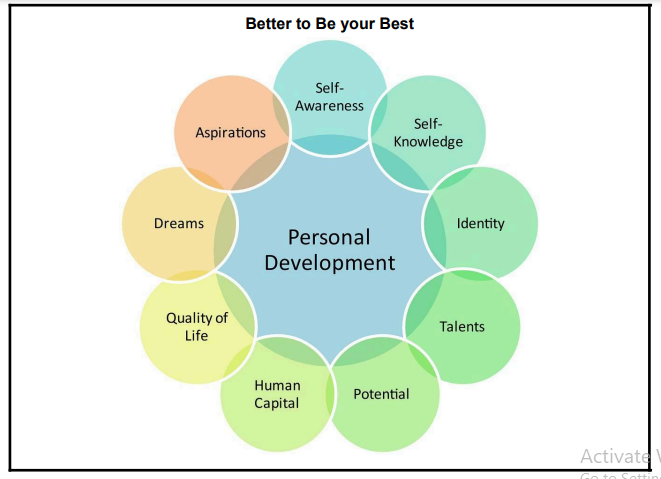
Answer the following questions on Self-Awareness, Self-Esteem and Self-Development. Use the following as a guideline:
● State reasons why self-development should be important to Grade 10 students.
● Analyse how a lack of self-awareness could negatively affect a person’s self-esteem.
● Critically discuss ways in which people could acknowledge and respect their uniqueness
Question: Give Reasons Why Self-Development Should Be Important to Grade 10 Students
Personal Growth
Self-development is crucial for Grade 10 students as it helps them grow as individuals by encouraging self-awareness and a deeper understanding of their unique strengths and abilities. This stage of adolescence is a formative time when students begin to shape their identity and build confidence. For example, a student who recognizes a talent for creative writing may start a blog or participate in writing competitions, enhancing their self-expression and sense of achievement. Through self-development, students are better equipped to overcome challenges, learn from their experiences, and continuously improve themselves.
Goal Setting
Self-development teaches Grade 10 students the importance of setting and achieving goals, a critical skill as they face increasing academic and personal pressures. By learning how to define clear objectives and create actionable plans, students can take steps toward accomplishing tasks, whether it’s excelling in a particular subject or mastering a new hobby. For instance, a student aiming to improve in math might set specific study times and practice regularly, eventually gaining proficiency and confidence. Goal setting fosters discipline, focus, and a sense of accomplishment, preparing students for long-term success in various aspects of life.
Improved Confidence
Confidence is a vital outcome of self-development, as it enables Grade 10 students to trust in their abilities and face challenges with determination. By acquiring new skills or overcoming obstacles, students develop a sense of pride in their achievements. For example, a student who conquers a fear of public speaking by participating in debates will feel more self-assured in academic and social situations. This increased confidence not only boosts their performance in school but also empowers them to take risks and seize opportunities, setting the stage for future success.
Enhanced Resilience
Self-development helps students build resilience, which is essential for navigating life’s ups and downs. Grade 10 students often face setbacks, such as poor grades or social conflicts, which can be discouraging. Through self-improvement, they learn to adopt a growth mindset, viewing challenges as opportunities to learn and grow. For instance, a student who struggles in sports might seek coaching or dedicate extra time to practice, eventually improving their skills. Resilience ensures that students remain motivated, adaptable, and optimistic, even in the face of adversity.
Better Decision-Making
Self-development enhances decision-making skills by teaching Grade 10 students how to think critically and evaluate their options. This ability is crucial as students make important choices in their academic and personal lives, such as selecting elective subjects or managing friendships. For example, a student deciding whether to join a club might weigh the benefits of participation against their existing commitments, ensuring a balanced decision. Strong decision-making skills not only improve academic outcomes but also equip students to handle social and emotional challenges effectively, contributing to their overall growth.
Career Readiness
Grade 10 marks a pivotal time for students to start considering their future careers, and self-development helps them prepare by cultivating essential skills such as communication, adaptability, and teamwork. Engaging in activities like internships, volunteering, or leadership roles allows students to gain practical experience and explore their interests. For instance, a student interested in technology might join a coding club, building technical skills and confidence. These efforts ensure that students are well-equipped to meet the demands of their future careers and make informed decisions about their paths.
Healthy Relationships
Building healthy relationships is another important aspect of self-development for Grade 10 students. This stage of life is heavily influenced by peer interactions, and developing self-awareness and empathy enables students to navigate these relationships effectively. For example, a student who learns active listening can better understand their friends’ perspectives and provide meaningful support during conflicts. By fostering skills such as effective communication and conflict resolution, self-development helps students create meaningful and supportive connections, contributing to their emotional well-being and social success.
Adaptability
Adaptability is a key trait in an ever-changing world, and self-development equips Grade 10 students with the flexibility to handle new challenges and situations. Whether it’s adjusting to a demanding academic schedule, learning a new subject, or coping with unexpected life changes, adaptability ensures students can manage stress and remain resourceful. For instance, a student who practices time management might balance schoolwork with extracurricular activities without feeling overwhelmed. This ability to adapt not only enhances their academic performance but also prepares them for future uncertainties, fostering a proactive and resilient mindset.
Conclusion
Self-development is a vital part of a Grade 10 student’s journey toward becoming a capable, confident, and well-rounded individual. By focusing on personal growth, goal setting, confidence, resilience, decision-making, career readiness, healthy relationships, and adaptability, students can overcome challenges and achieve their full potential. Encouraging self-development at this stage not only prepares students for immediate success but also lays the foundation for a fulfilling and purposeful life..
Question: Analyse how a lack of self-awareness could negatively affect a person’s self-esteem. 1. Limited Understanding of Personal Strengths and Weaknesses
Self-awareness is the foundation for understanding oneself and navigating life effectively. When individuals lack self-awareness, they may struggle with various aspects of their personal and social Live’s, leading to a significant negative impact on self-esteem. Below are ways in which lack of Self-Awareness Negatively Affects a Person’s Self-Esteem
- Limited Understanding of Personal Strengths and Weaknesses
Self-awareness is crucial for individuals to understand their strengths and weaknesses accurately. Without it, they may either overestimate or underestimate their capabilities, leading to unrealistic expectations. For instance, a student who overestimates their academic abilities might take on advanced courses without adequate preparation, only to struggle and feel inadequate when they fail to meet their goals. Conversely, someone who underestimates their talents may avoid opportunities for growth, missing chances to excel. Both situations can diminish self-esteem as individuals feel incapable or unworthy. By fostering self-awareness, individuals can set realistic goals, recognize their progress, and build a strong sense of self-worth. - Difficulty in Managing Emotions
A lack of self-awareness often leads to difficulty in identifying and regulating emotions. When individuals cannot recognize their feelings, they may react impulsively or inappropriately, leading to conflicts and strained relationships. For example, someone unaware of their anger triggers might lash out during a disagreement, only to feel guilty or ashamed afterward. This emotional instability can create a negative self-image, as individuals lose confidence in their ability to handle situations effectively. On the other hand, self-awareness helps individuals manage their emotions constructively, fostering emotional balance and boosting their self-esteem. - Lack of Understanding of Personal Values and Beliefs
Self-awareness enables individuals to identify and align with their core values and beliefs. Without it, people may struggle to make decisions that reflect their true selves, leading to inner conflict and dissatisfaction. For example, someone who lacks clarity about their personal priorities might choose a career path based on external pressures rather than their passion, resulting in feelings of disconnection and regret. This misalignment between actions and values can erode self-esteem, as individuals feel unfulfilled and unsure of their identity. Recognizing and living by personal values fosters a sense of authenticity and self-respect, strengthening self-esteem. - Difficulty in Establishing Boundaries
Setting and maintaining healthy boundaries in relationships requires self-awareness. Without it, individuals may fail to recognize their emotional and mental limits, leaving them vulnerable to being taken advantage of or overwhelmed. For example, someone unaware of their needs might agree to excessive commitments, leading to burnout and resentment. This inability to assert boundaries can make individuals feel powerless and undervalued, harming their self-esteem. Self-awareness allows individuals to identify their limits, communicate them effectively, and protect their well-being, which enhances their sense of self-worth and confidence in relationships. - Limited Self-Reflection and Growth
Self-awareness is a cornerstone of self-reflection, which is essential for personal growth. Without self-awareness, individuals may remain unaware of their behaviors and habits that hinder progress, resulting in stagnation. For instance, a person unaware of their poor time-management skills might repeatedly miss deadlines, feeling frustrated without understanding the root cause of their struggles. This lack of growth can lead to feelings of inadequacy and a diminished sense of self-esteem. Engaging in self-reflection allows individuals to identify areas for improvement, make positive changes, and celebrate their achievements, fostering personal development and self-confidence. - Inaccurate Self-Perception
A lack of self-awareness often results in a distorted self-perception, where individuals either overestimate or underestimate their abilities. For example, someone who overestimates their skills might take on tasks they are unprepared for, leading to failure and feelings of self-doubt. On the other hand, someone who underestimates their capabilities may avoid challenges, missing opportunities for growth and validation. Both extremes can harm self-esteem, as individuals struggle with an unbalanced view of themselves. Self-awareness helps individuals develop a realistic and balanced perception of their strengths and weaknesses, enabling them to build confidence and a positive self-image In summary, a lack of self-awareness negatively affects self-esteem in several ways, from misjudging personal strengths to struggling with emotions, values, boundaries, growth, and self-perception. Each of these areas is critical for building and maintaining a strong sense of self-worth..
Question: Critically discuss ways in which people could acknowledge and respect their uniqueness
Question: Critically discuss ways in which people could acknowledge and respect their uniqueness
Acknowledging and respecting uniqueness is a multifaceted approach that involves recognizing individual differences, valuing personal strengths, and fostering an environment where diversity is celebrated. There are several ways through which individuals and societies can achieve this recognition and respect, each contributing to a more inclusive and harmonious environment.
One of the core ways to acknowledge and respect uniqueness is by recognizing and celebrating the differences that make each individual unique. People come from various cultural, social, and personal backgrounds, and these differences contribute to the richness of human experience. When individuals and societies actively celebrate diversity—whether it be ethnic, religious, gender, or disability-related differences—society as a whole becomes more inclusive. For example, events like Pride parades or cultural festivals are opportunities for people to embrace and honor the diversity in their communities. However, there are challenges as well. In certain environments, individuals may feel marginalized or excluded despite efforts to celebrate differences. For instance, tokenism—where diversity is superficially acknowledged—may undermine the true recognition of uniqueness. It is therefore essential that these celebrations are rooted in genuine respect and not just performative actions. True inclusivity arises when the differences of others are not only acknowledged but also integrated into the fabric of society.
Acknowledging one’s own talents and abilities is another powerful tool for respecting and affirming one’s uniqueness. Every individual has personal strengths, whether cognitive, emotional, or practical, that contribute to their sense of identity and value. By recognizing and nurturing these abilities, individuals develop a strong sense of self-worth and confidence. For instance, someone who excels in art or music can gain confidence by pursuing their creative talents, which can also inspire others to embrace their own abilities. However, there is the danger of overemphasizing individual accomplishments at the expense of collective well-being. In certain societies, the focus on individual achievements can create a competitive environment where people feel pressured to constantly prove their worth. This may lead to stress and a diminished sense of uniqueness if individuals start to compare themselves to others. It is essential, therefore, that the recognition of personal talents is accompanied by the understanding that every person’s uniqueness contributes to the collective success of society.
Another significant way to respect and acknowledge uniqueness is by recognizing and honoring personal boundaries. This includes respecting individuals’ choices, beliefs, privacy, and space. When people honor these boundaries, they contribute to the creation of relationships built on trust and mutual respect. For example, respecting someone’s decision to follow a particular religion or practice a particular lifestyle fosters an environment in which all individuals feel validated. However, respecting personal boundaries can sometimes be challenging, especially in social contexts where norms or expectations conflict with individual choices. For instance, in some cultures, there may be pressure to conform to specific gender roles or societal expectations, which may limit the expression of personal uniqueness. Acknowledging the tension between collective societal norms and individual autonomy is crucial in promoting genuine respect for personal boundaries.
Embracing cultural and ethnic diversity is also a fundamental way of acknowledging and respecting uniqueness. By learning about and appreciating different cultural traditions, languages, and practices, people broaden their perspectives and develop a deeper understanding of the world. For example, the growing acceptance of multiculturalism in urban societies allows people from various backgrounds to live and work together in harmony. This cultural exchange leads to greater empathy and reduces prejudice. Despite these advantages, it is important to recognize that embracing diversity can be a complex process. In some cases, cultural differences may lead to misunderstandings or conflicts, particularly when individuals or groups feel that their cultural identity is being threatened or overshadowed. Thus, genuine respect for cultural diversity involves not only recognition but also dialogue and efforts to reconcile conflicting values or practices in a way that fosters mutual respect.
Self-expression and authenticity are central to respecting and acknowledging uniqueness. People who are encouraged to express their true selves—whether through fashion, speech, or behavior—are more likely to feel fulfilled and valued. For example, individuals who feel free to express their gender identity or sexual orientation authentically may experience a greater sense of personal fulfillment and connection with others. However, while authenticity is critical, individuals may face societal pressures that make it difficult to fully express their true selves. In some social contexts, non-conformity can lead to stigmatization or exclusion. This challenge highlights the importance of creating supportive environments where people feel safe and empowered to be authentic, without fear of judgment or rejection. Achieving this level of acceptance requires collective societal efforts to break down rigid norms and foster a culture of openness.
Respecting uniqueness also entails advocating for individual rights and autonomy. Every person has the right to make choices that align with their values and beliefs. For instance, promoting gender equality and reproductive rights ensures that women have the autonomy to make decisions about their own bodies, which is a crucial aspect of respecting their individuality. The challenge, however, is that individual autonomy can sometimes clash with broader societal interests or values. For example, policies that restrict freedom of choice—such as laws that limit access to abortion or prevent certain forms of expression—can hinder individuals’ ability to fully acknowledge and respect their own uniqueness. A balanced approach is needed, one that protects individual rights while also addressing concerns about social welfare and collective responsibility.
Finally, encouraging personal development and self-reflection is crucial for acknowledging one’s uniqueness. Through self-reflection, individuals can gain a deeper understanding of themselves, which allows them to identify and develop their unique qualities. For instance, a person who takes time for introspection may realize a hidden talent or strength that can guide their personal growth and contributions to society. Yet, personal development must be approached with sensitivity, as it can sometimes be used as a tool for self-criticism or unrealistic comparisons with others. Encouraging self-compassion and patience with the personal growth process is essential for maintaining a healthy sense of uniqueness and avoiding the negative effects of perfectionism or self-doubt.
In conclusion, acknowledging and respecting uniqueness is a complex and multifaceted process that involves both recognizing and celebrating diversity and embracing personal autonomy. While each method discussed—such as celebrating differences, valuing talents, and respecting personal boundaries—offers important pathways for fostering individuality, each also presents its own challenges. These challenges highlight the need for ongoing dialogue, cultural sensitivity, and support systems that promote inclusivity and respect. By creating environments where individuals feel valued for their unique contributions, society as a whole can thrive and create a world that embraces diversity and individuality.
Read the case study carefully and answer the following questions
| I will rather stay at home Rubie is a very shy and reserved child. He was doing grade 10 and he has decided to drop out of school. His challenge was debate, presentation and answering questions in front of other learners. Some learners were always laughing at him because he could hardly answer a question. |
Question : List strategies that enhance self-esteem.
Self-esteem plays a crucial role in an individual’s personal growth, self-confidence, and success. The following strategies can significantly enhance self-esteem:
- Successful completion of tasks: Accomplishing tasks, no matter how small, builds a sense of achievement and fosters confidence. This is particularly important in academic settings where completing assignments and meeting deadlines can provide learners with a sense of competence and pride in their abilities. For example, a student who completes a challenging project successfully will feel more empowered and motivated for future tasks.
- Inviting and accepting genuine feedback and addressing grey areas: Constructive feedback is vital for personal growth. It allows individuals to identify areas for improvement while also recognizing their strengths. By actively seeking and accepting feedback, individuals can work on their weaknesses and enhance their self-awareness, which contributes to better self-esteem. For instance, a student may ask a teacher for feedback on a presentation and use that information to refine their skills for the next opportunity.
- Participating in extramural activities: Engagement in activities outside the classroom, such as sports, clubs, or arts, provides a platform for personal expression and achievement. Participating in such activities fosters a sense of belonging and accomplishment. For instance, a student who excels in a school sport or drama production gains confidence, not just in their abilities, but also in their social interactions, boosting their self-esteem.
Question : Define the following concept: Self-awareness
Self-awareness is the ability to recognize and understand one’s own strengths, weaknesses, and emotions. It is the capacity to reflect on oneself and to have a clear understanding of one’s own behaviors, thoughts, and motivations. By being self-aware, individuals can identify areas for personal growth and are better equipped to make positive changes. Self-awareness also involves understanding how one’s actions impact others and adapting accordingly to live a more balanced and positive life.
For example, a student who understands that they get anxious during public speaking may take steps to manage their anxiety, such as practicing relaxation techniques or seeking guidance from a mentor. This understanding of one’s own feelings and behaviors is the essence of self-awareness.
Question : Identify ways in which self-awareness improves performance in school.
Self-awareness is a powerful tool for improving performance in school, as it encourages students to focus on their strengths and work on their weaknesses. Here’s how self-awareness can enhance academic performance:
- Encourages learners to focus on their strengths and avoid derailments: By recognizing their strengths, learners can prioritize areas where they excel, which leads to more efficient use of time and effort. For instance, a student who is aware that they are good at writing essays might focus on improving their writing skills, ensuring they can produce high-quality work more consistently. This focus helps to avoid distractions that may hinder overall performance.
- Motivates them to address their grey areas (changing weaknesses to strengths): Self-awareness provides learners with the insight to identify their weaknesses and take the necessary steps to improve them. A student who struggles with math, for example, may recognize the need for extra practice or tutoring, thus turning a weakness into a manageable area of improvement. This proactive approach not only enhances academic performance but also fosters a growth mindset.
- Motivates them to work smarter, boosting their self-efficacy to excel: When students are aware of their strengths and areas for improvement, they can adopt more targeted study strategies. This sense of control over their learning process leads to greater self-efficacy – the belief in their ability to succeed. For example, a student who is self-aware may organize their study schedule based on their peak performance times, leading to more productive study sessions and improved grades.
Question: Advise Rubie with strategies of addressing his challenge instead of dropping out of school.
Rubie faces significant challenges, particularly with public speaking, which has led him to consider dropping out of school. However, there are several strategies that could help Rubie overcome these challenges and thrive academically:
- Seek assistance from social workers or psychologists: Rubie could benefit from the support of social workers or psychologists, who specialize in helping individuals overcome emotional barriers. A professional could work with Rubie to address his shyness and fear of public speaking. Cognitive-behavioral therapy (CBT), for example, could help Rubie reframe negative thoughts and gain confidence in social situations. Therapy can also help Rubie build coping mechanisms for anxiety, ultimately improving his self-esteem and overall academic performance.
- Inform teachers of his challenge: It is important for Rubie to communicate his struggle with his teachers so that they are aware of his difficulty with public speaking. This transparency could lead to the teachers assessing him in alternative ways, such as through written assignments or one-on-one discussions rather than group presentations. By doing so, Rubie’s learning experience can be adapted to his needs, reducing the pressure while still allowing him to demonstrate his academic abilities.
- Parents discuss the challenge with the register teacher: Rubie’s parents can play a pivotal role by engaging with the register teacher to discuss his challenges. By collaborating with teachers and other school personnel, they can identify specific support mechanisms, such as additional tutoring or modified assessments. This partnership ensures that Rubie has a support system in place to help him cope with his challenges and succeed in his academic journey.
- Submit a profile for the school to understand his challenges and coping mechanisms: Rubie could create a profile that outlines his academic strengths, weaknesses, and the specific challenges he faces, such as anxiety when speaking in front of others. This profile could include suggested strategies for how to support him, such as allowing extra time for assignments or creating a more comfortable environment for him to express his knowledge. By sharing this profile, Rubie can ensure that his needs are met, and the school can offer tailored support to help him succeed without feeling overwhelmed.